Silver Coating Fabric has really been gaining attention lately, thanks to its unique qualities and how versatile it is. I was chatting with Dr. Emily Harper, who's pretty much an expert in Textile tech at SilverShield Industries, and she mentioned that "This fabric boosts performance while also offering some pretty significant health perks." People seem to love it for its antibacterial properties, which makes it a great choice for things like medical apparel or activewear.
That said, it’s not all smooth sailing. The Manufacturing process can be pretty pricey, so you might end up paying a bit more when you buy it. Plus, not every manufacturer is consistent with quality, so it’s definitely worth doing your homework and choosing reputable brands. Still, even with these concerns, the benefits like antimicrobial protection and better durability really can’t be ignored.
In the competitive world of textiles, Silver Coating Fabric definitely catches your eye. But, it’s important to keep tabs on how sustainable it is in the long run. People should really weigh the pros and cons before jumping in. All in all, this fabric is an exciting example of innovation, but it also needs some thoughtful consideration — especially when it comes to environmental impact and how it feels to users over time.
Definition of Silver Coating Fabric and Its Composition
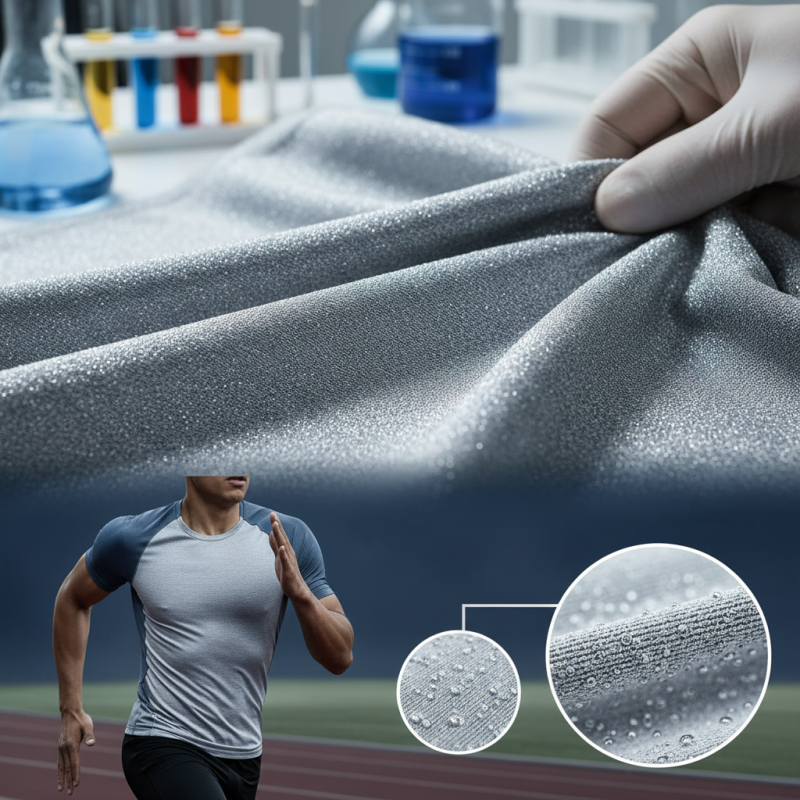
Silver coating fabric is an innovative textile that incorporates silver particles into its material. This unique composition provides various beneficial properties, enabling it to stand out in the vast fabric market. The presence of silver enhances the fabric's ability to resist bacteria and odors. This can be particularly useful in everyday clothing and activewear, where sweat and bacteria can be a concern.
The composition of silver coating fabric typically involves a base fabric, such as cotton or polyester, coated with a thin layer of silver. The silver ions embedded within the fabric work to inhibit the growth of microorganisms. This not only keeps the fabric fresh but also extends its lifespan. Additionally, the reflective properties of silver can contribute to temperature regulation, keeping you cooler in warm weather.
However, it’s essential to consider the environmental impact of using such materials. Not all manufacturing processes are eco-friendly, and that’s a crucial aspect to reflect on when choosing textiles.
Historical Background of Silver Coating Technology
Silver coating technology has a fascinating history that dates back centuries. Ancient cultures recognized silver's antimicrobial properties. They often used silver in various applications. This knowledge laid the groundwork for modern silver coating fabrics.
In the 19th century, scientists began to explore silver's benefits further. They discovered its ability to reflect heat and light. This led to developments in textiles that could enhance thermal regulation. Military applications were early adopters, utilizing these fabrics for protective uniforms.
Tips: When considering silver-coated fabrics, think about your needs. Do you require thermal insulation? Or are you looking for antimicrobial benefits? Understanding your purpose is essential before choosing a product.
The advancements in fabric technology have been impressive. However, the production process can still be flawed. Some fabrics may not retain their properties after washing. This inconsistency can be frustrating. Always check for durability information and test samples when possible.
Key Properties and Characteristics of Silver Coating Fabric
Silver coating fabric is gaining traction due to its unique properties. This fabric incorporates microscopic silver particles, creating an advanced material. These particles provide various benefits, particularly in hygiene and thermal regulation.
One notable characteristic of silver coating fabric is its antibacterial nature. Research from the Journal of Antimicrobial Chemotherapy indicates that silver can reduce bacterial growth by over 99%. This impressive reduction enhances fabric hygiene, making it ideal for clothing and medical applications. Additionally, silver has excellent thermal management properties, helping maintain a stable body temperature even in varying environments. This feature can be crucial for outdoor activities where temperature fluctuations are common.
However, challenges exist. Not all silver-coated fabrics promise the same effectiveness. The quality of silver application and the fabric base can impact performance. Moreover, care requirements may vary; frequent washing can diminish silver efficacy over time. Understanding these factors is essential for consumers. The potential health benefits are significant, but users should ensure they choose reputable sources for their silver coating fabrics.
Common Applications of Silver Coating Fabric in Various Industries
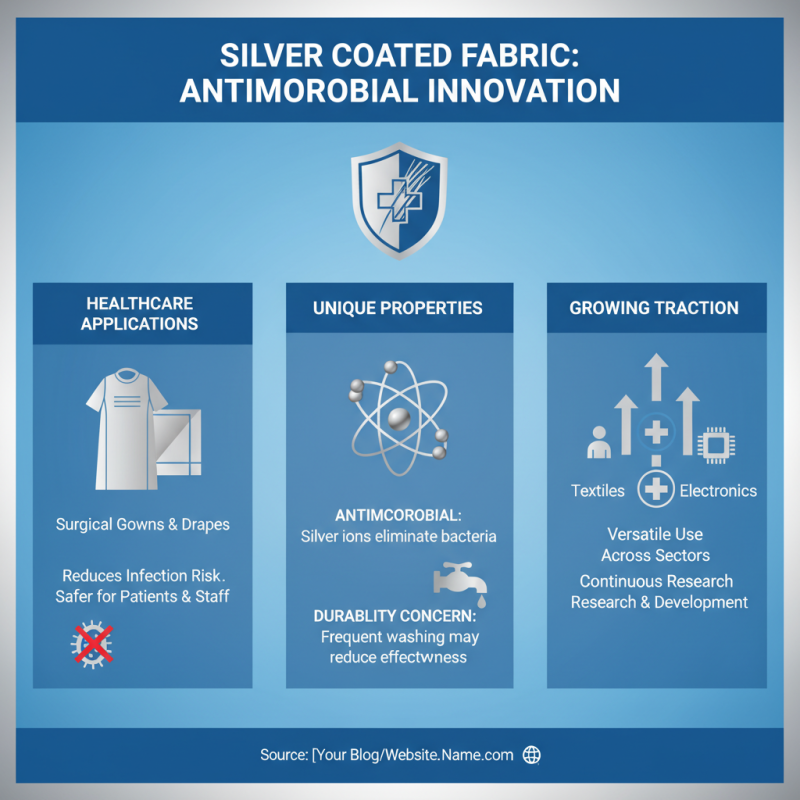
Silver coating fabric is gaining traction across various sectors due to its unique properties. In healthcare, it's used in surgical gowns and drapes. The antimicrobial properties of silver help reduce the risk of infections, promoting a safer environment for patients and staff. However, the durability of these fabrics can be a concern. Frequent washing may diminish their effectiveness over time.
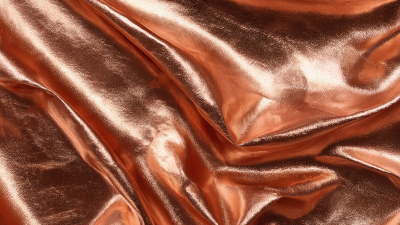
In the fashion industry, designers are incorporating silver coating into activewear. This fabric offers odor resistance, making it ideal for sports apparel. Athletes appreciate the comfort and functionality it provides. Yet, the aesthetics can sometimes fall short. The shine may not appeal to everyone, limiting its broader acceptance.
Other applications are seen in home textiles, such as bed linens and curtains. Silver-coated fabrics can regulate temperature and inhibit bacteria, improving sleep quality. However, potential allergens should not be overlooked. The balance between benefits and possible sensitivities remains a point of discussion. Exploring how silver coating affects various materials is essential for future advancements.
Benefits of Silver Coating Fabric for Health and Safety
Silver coating fabric is gaining attention for its health and safety benefits. The unique properties of silver can reduce the growth of bacteria and fungi. This makes it ideal for use in hospitals or healthcare settings. Fabrics treated with silver are often used in uniforms and patient gowns. They provide a layer of protection.
Moreover, silver coating fabrics have been found to regulate body temperature. They keep the wearer cool in hot weather and warm in cold conditions. This dual function helps to maintain comfort. Silver also has anti-odor properties. It prevents unpleasant smells, especially in active wear, making it popular among athletes.
However, there are some concerns about silver coating. Not everyone may be aware of potential skin irritations. Some people might experience allergies to silver. The effectiveness of silver can diminish after multiple washes. It raises questions about the sustainability of these fabrics over time. Balancing benefits and drawbacks is essential for making informed choices about silver-coated products.
Environmental Impact and Sustainability of Silver Coating Fabric
Silver coating fabric has gained attention for its unique properties. It offers antimicrobial benefits, making it ideal for various applications. However, its environmental impact raises important questions.
The production of silver-coated fabric involves complex processes that can consume considerable energy and resources. Some silver coatings can leach into the environment, negatively affecting ecosystems. It's crucial to consider these aspects when evaluating the sustainability of such materials. More research is needed to understand the long-term effects.
Selecting silver-coated fabrics often comes with trade-offs. On one hand, they provide excellent durability and hygiene. On the other hand, we must weigh these benefits against potential environmental drawbacks. Consumers are becoming more aware of their choices. They often seek materials that balance performance with ecological responsibility. This ongoing dialogue is essential for a more sustainable future.
Future Trends and Innovations in Silver Coating Fabric Technology
Silver coating fabric technology is evolving rapidly. Manufacturers are exploring new ways to enhance its properties. One trend is the combination of silver-coated fibers with other materials. This can improve durability and comfort. Innovations in nanotechnology are also being integrated. This makes the silver coating more effective and longer-lasting.
Tips: When choosing silver-coated fabrics, consider their breathability. Some treatments can make the fabric stiffer. It's crucial to balance antimicrobial properties and comfort.
Another trend is the development of eco-friendly silver coatings. These alternatives aim to reduce environmental impact. They offer similar benefits without harmful side effects. As consumers become more eco-conscious, sustainable options will grow in demand.
Tips: Always check for certifications. They can indicate the environmental standards of the fabric. Engage with suppliers about the sustainability of their products.
Exploring the Applications and Market Growth of Silver Fiber Conductive Yarn: Insights from Industry Reports and Trends
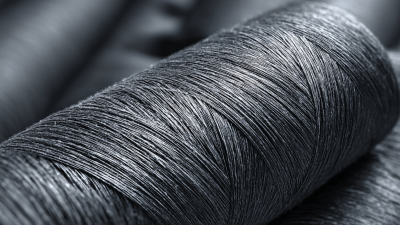
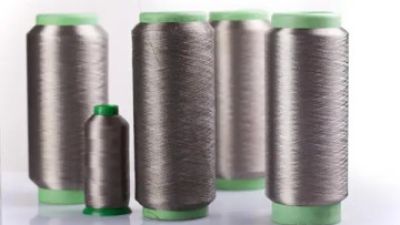
Silver fiber conductive yarn is rapidly gaining traction in various industries due to its remarkable properties and potential applications. This yarn, made from silver-coated polyamide, not only boasts a visually appealing shine but also excels in conductive performance. Recent industry reports indicate that the global market for conductive textiles, including silver fiber yarn, is expected to grow at a compound annual growth rate (CAGR) of over 15% within the next five years. This surge is driven by the increasing demand for innovative textile solutions in sectors such as fashion, healthcare, and electronics.
One significant application of silver fiber yarn is in smart textiles, which integrate electronic components into fabrics. These textiles can monitor body temperature and regulate thermal comfort, providing wearers with enhanced functional benefits. Furthermore, the antibacterial properties of silver fibers make them ideal for medical applications, where infection control is paramount. According to a recent report by Market Research Future, the healthcare segment alone is projected to witness substantial growth, propelled by the increasing emphasis on hygiene and safety in healthcare environments.
Moreover, the use of silver fibers aids in eliminating static electricity and shielding against electromagnetic waves, further broadening its applicability in industries reliant on electronic devices. The natural, eco-friendly nature of silver fiber yarn adds to its appeal, aligning with current consumer trends favoring sustainable and washable materials. Overall, the potential applications of silver fiber conductive yarn, coupled with significant market growth, position it as a transformative material across multiple sectors.
FAQS
: It aims to enhance daily routines and provide convenience in various tasks.
Follow the instructions provided and experiment to find what works best for you.
Yes, it adapts well to both indoor and outdoor settings.
Users often skip initial setup steps or ignore maintenance tips.
It works best with certain tools or equipment for optimal performance.
Regular cleaning with mild soap and water is recommended to ensure longevity.
Check the troubleshooting guide first, then contact support if needed.
Yes, it is designed for users above a certain age for safety reasons.
Yes, but beginners may face a learning curve initially.
Review the return policy, as there may be options for refunds or exchanges.
Conclusion
Silver Coating Fabric is a specialized material that incorporates silver particles into its fabric composition, offering unique properties such as antimicrobial effects and enhanced durability. Historically, silver coating technology has evolved to meet the demands of various industries, leading to the development of fabrics that not only provide protection but also promote health and safety.
The key characteristics of Silver Coating Fabric, including its resistance to bacteria and odors, make it a popular choice in healthcare, sports, and fashion sectors. The benefits extend beyond personal safety, as these fabrics often have minimal environmental impact and can be produced sustainably. As innovations continue to emerge, the future of Silver Coating Fabric looks promising, with potential applications expanding into new areas while maintaining a focus on health, safety, and sustainability.