




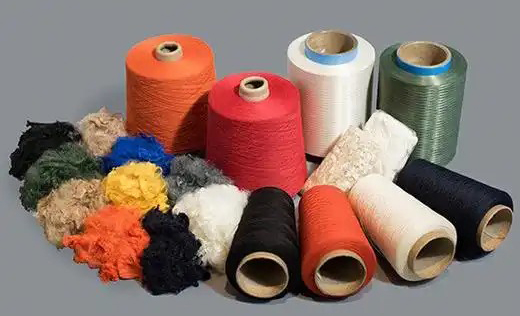
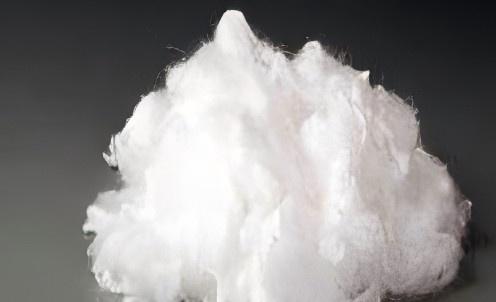
Fiber Group: Modacrylic
Composition
A manufactured fiber in which, when not qualified as a rubber or anidex, the fiber-forming substance is any long-chain synthetic polymer composed of less than 85%, but at least 35% by weight of acrylonitrile units.
Characteristics
Modacrylic fibers exhibit higher levels of resistance to chemicals and combustion when compared to acrylic fibers. They possess arc flash protection properties and are easily dyed with good shape retention. Modacrylic fibers are primarily used where environment or flame resistance is necessary.
Common applications
Personal protective apparel for fire & arc flash situations, shirt and pant trims, interior and exterior bindings, furnishing and drapery trims.

Flame Resistant Vs Flame Retardant Explained
Flame-resistant fibers are materials that have flame resistance as part of their chemical structures. Aramid fibers are inherently flame-resistant fibers. The actual structure of the fiber itself is not flammable. For inherently flame-resistant fibers, the protection is built into the fiber itself and can never be worn away or washed out. In the case of Nomex®, when exposed to flame, the aramid fiber swells and becomes thicker, forming a protective barrier between the heat source and the skin. This protective barrier stays supple until it cools, giving the wearer vital extra seconds of protection to escape.
Flame-retardant treated Fabrics are made flame-resistant by the application of flame-retardant chemicals. A chemical additive in the fiber or treatment on the fabric is used to provide some level of flame retardancy. During a fire, chemically dependent fabrics rely on a chemical reaction to extinguish the flame.
When assessing the use of one of the other, keep in mind that flame-resistant fibers have inherent flame-resistant properties that cannot be washed out or damaged through exposure to chemicals in the workplace or laundering. Flame-retardant treated garments, however, may be damaged by chlorine bleach, the combination of hydrogen peroxide (“oxygen bleach”) with hard water, or exposure to oxidizing chemicals in the workplace.